

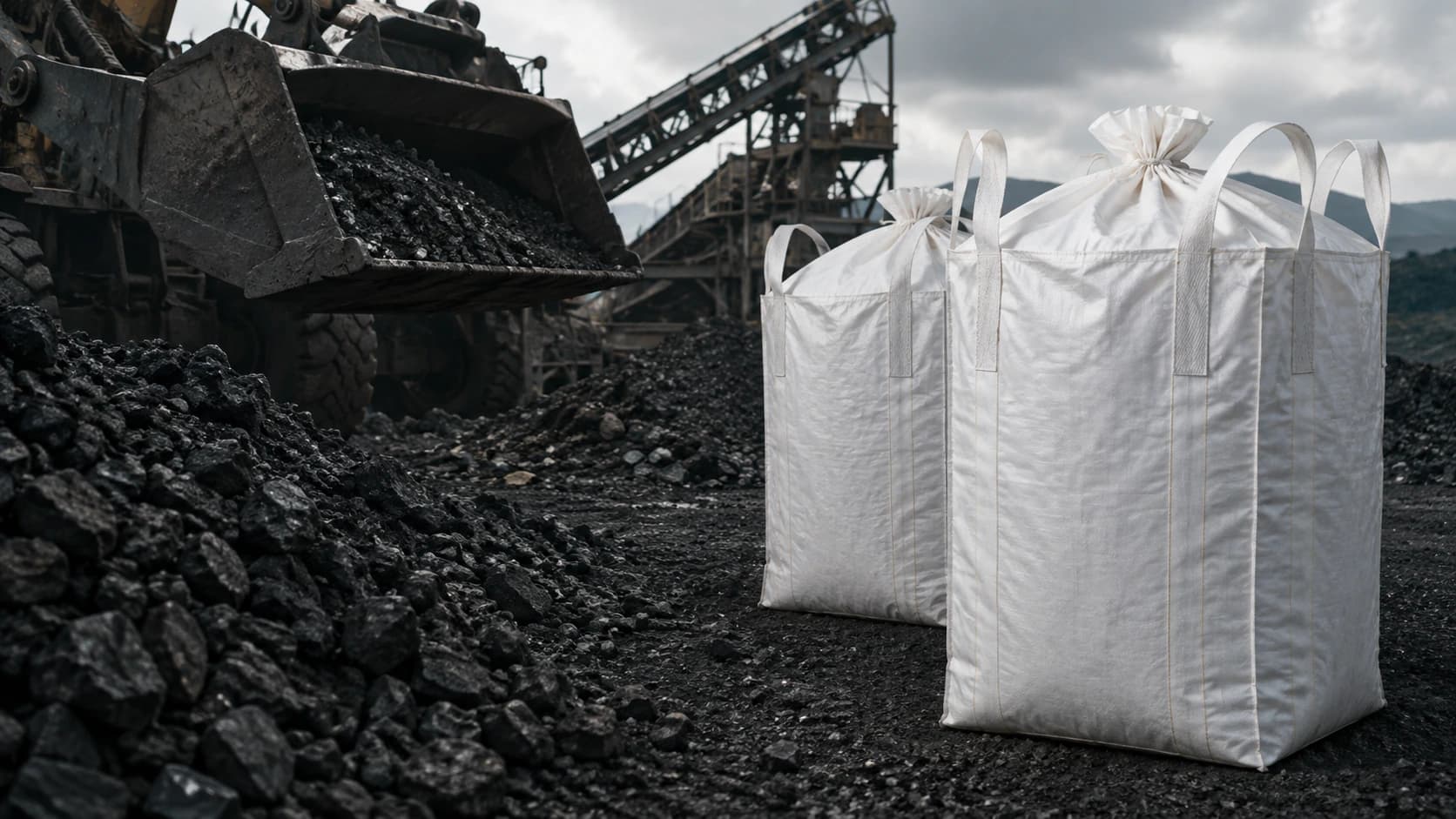
Mineral ore
1500 kg150–190 gsmManganese Ore
Manganese Ore
Design the complete structure around density and abrasion
A high-density abrasive ore requiring heavy-duty FIBC bags with reinforced lifting for safe transport.
Manganese ore can combine high bulk density with coarse, irregular or abrasive particles. Particle distribution and moisture condition vary with the mine, screening process and storage environment, so the actual shipment material must be reviewed before the FIBC is specified.
Heavy ore places concentrated demand on the woven body, seams and lifting system. At the same time, repeated contact during filling and discharge can affect high-wear areas such as the lower body, corners and any spout used in the process.
A suitable solution balances load transfer, abrasion exposure and operational simplicity. Top and bottom structures should follow the filling and receiving equipment, while fabric and lifting details follow the intended unit load and handling route.
High unit weight
Target fill weight and actual bulk density determine the bag volume and rated load; neither should be selected from material name alone.
Irregular abrasive particles
Coarse or angular material can repeatedly contact fabric, seams, corners and spouts during loading, transport and emptying.
Variable dust and moisture
Fine fractions may generate dust, while moisture exposure depends on mining, stockpiling and transport conditions.
Manganese Ore
Recommended FIBC Configuration
This heavy-duty configuration is a starting point for review. Final fabric weight, dimensions, SWL and reinforcement should be checked against the ore sample, target net weight and the complete lifting and transport sequence.
- Recommended SWL
- 1500 kg
- Fabric GSM
- Approx. 150–190 gsm (confirm against actual bulk density)
- Top
- Filling spout / Duffle top
- Bottom
- Discharge spout / Flat
- Lifting
- 4 loop (reinforced)
- Liner Recommendation
- PE liner may be recommended when moisture protection is required
Why This Configuration
Reinforced lifting supports the load path
A higher-rated body and reinforced four-loop system are considered together so the intended unit load is carried through the complete bag structure.
Fabric follows abrasion exposure
The suggested fabric range provides a review point, while actual particle shape, drop height and contact areas determine the final construction.
The bottom follows the receiving process
A flat bottom suits one-time or open discharge, while a discharge spout provides a defined outlet when downstream equipment requires control.
Manganese Ore
Key Considerations
Four practical checks connect the ore data to the final FIBC. Documenting them before sampling helps avoid mismatches between the bag, the loader and the destination.
Ore condition
Provide bulk density, particle-size range, particle shape, fine content, moisture condition and target net weight.
Filling impact
Confirm feed opening, loading method, drop height and whether the bag is supported or shaped during filling.
Lifting and transport
Define forklift or crane handling, lifting-loop access, pallet use, container loading and the expected route.
Discharge and protection
Match the bottom structure to the receiving process and assess whether moisture exposure justifies a liner or coating.
Manganese Ore
Recommended Products
These structures provide flat-bottom and controlled-discharge options for dense ore. Choose the top and bottom combination only after both the loading method and destination process are known.
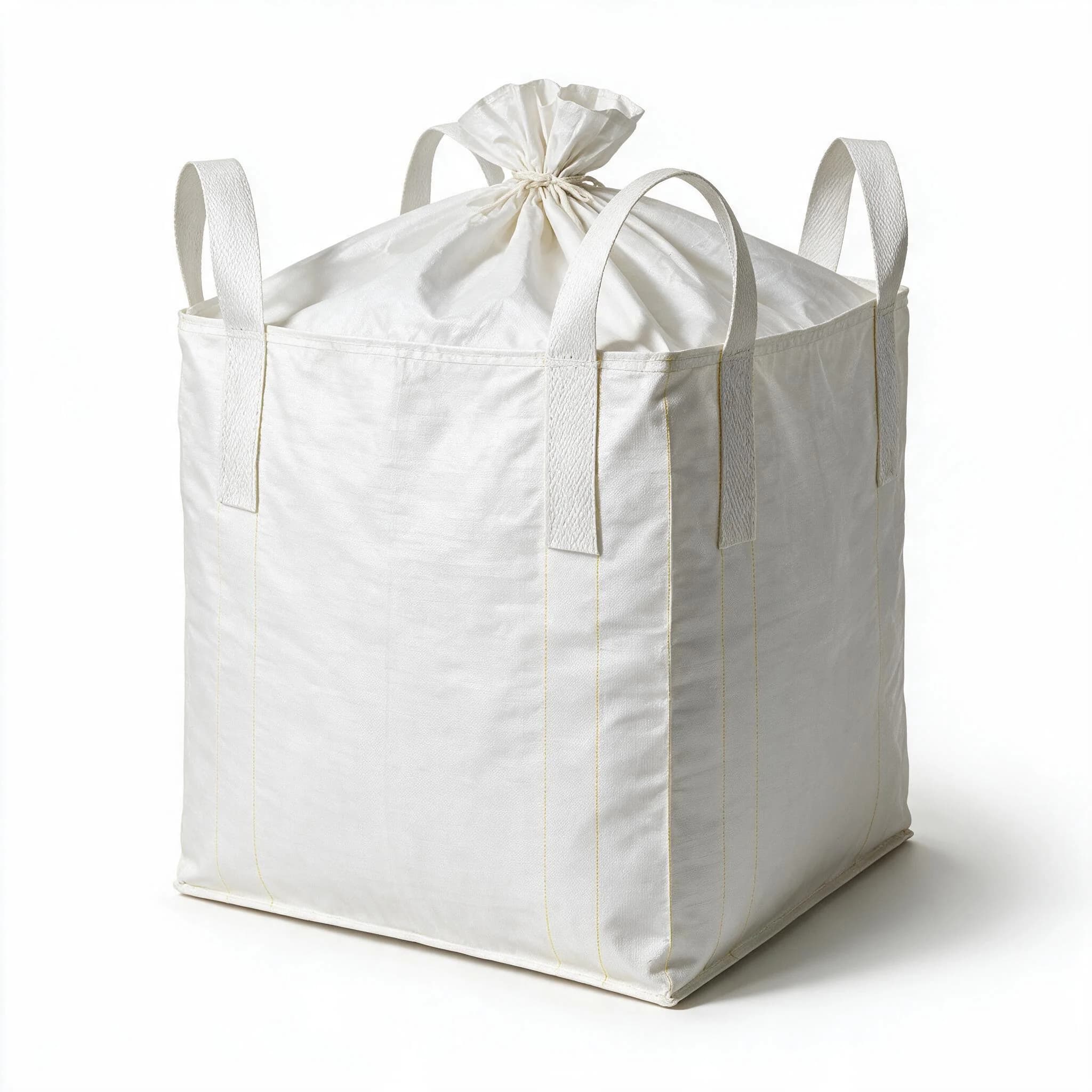
Duffle Top / Flat Bottom FIBC
A duffled filling spout on a flat bottom — clean to fill, stable to stack and store.
View Details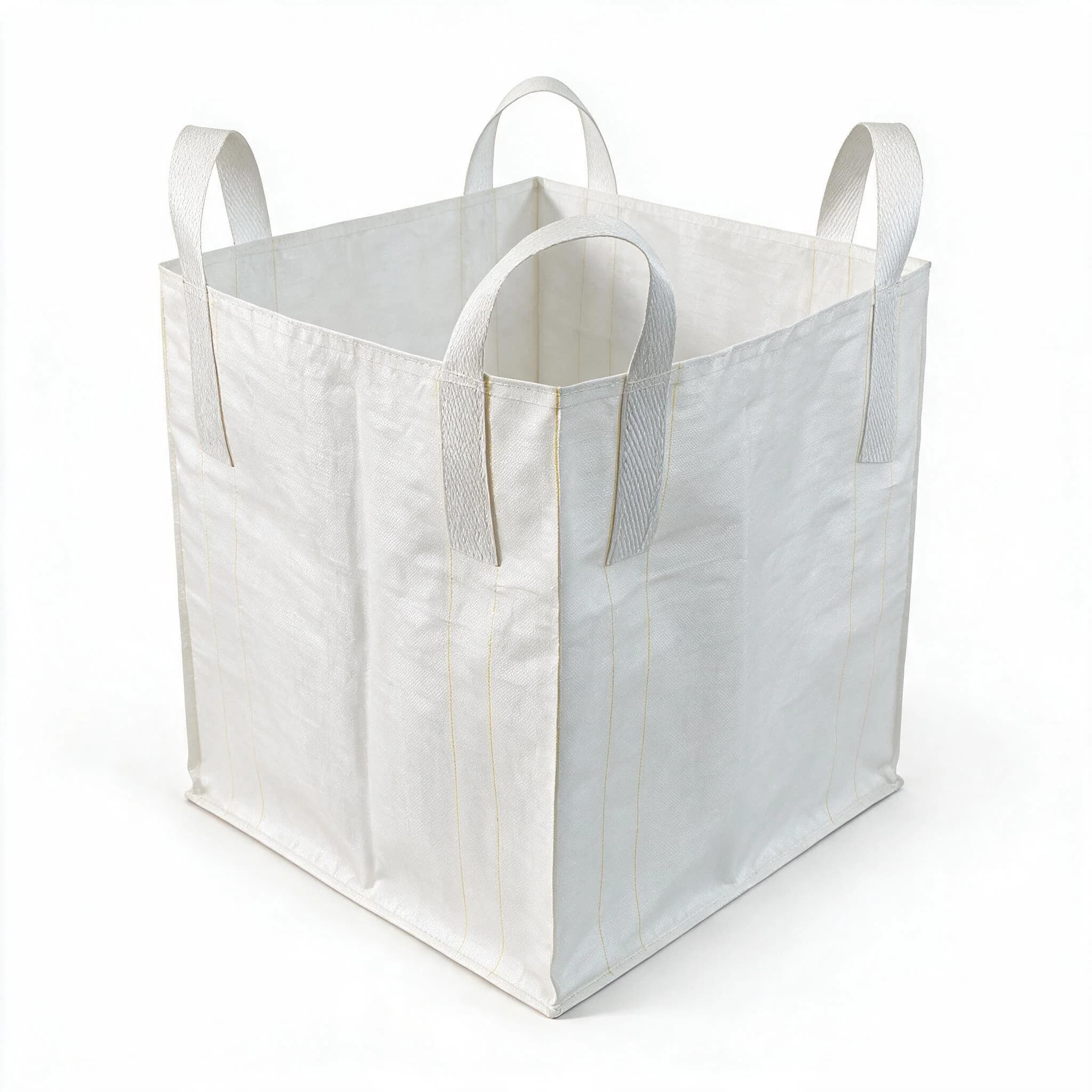
Open Top / Flat Bottom FIBC
A full-width open top on an economical flat base — the straightforward workhorse of bulk export.
View Details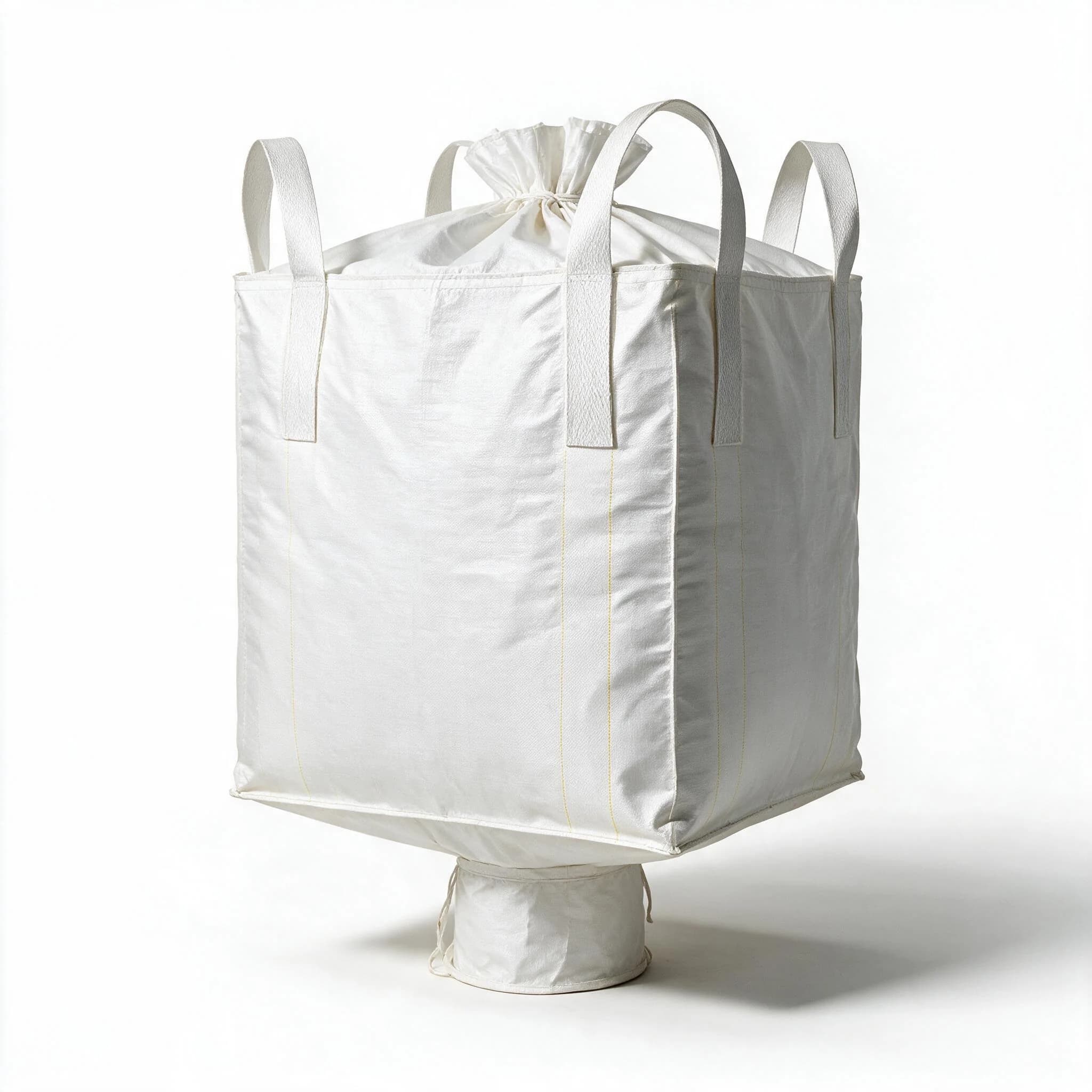
Duffle Top / Discharge Spout FIBC
A duffled top for clean, low-dust filling and a bottom spout for controlled discharge.
View DetailsRelated Guides
Guides about this material
These guides cover rated load, bag dimensions and bottom structures—the three decisions most closely connected to manganese-ore handling.
 FIBC Guide
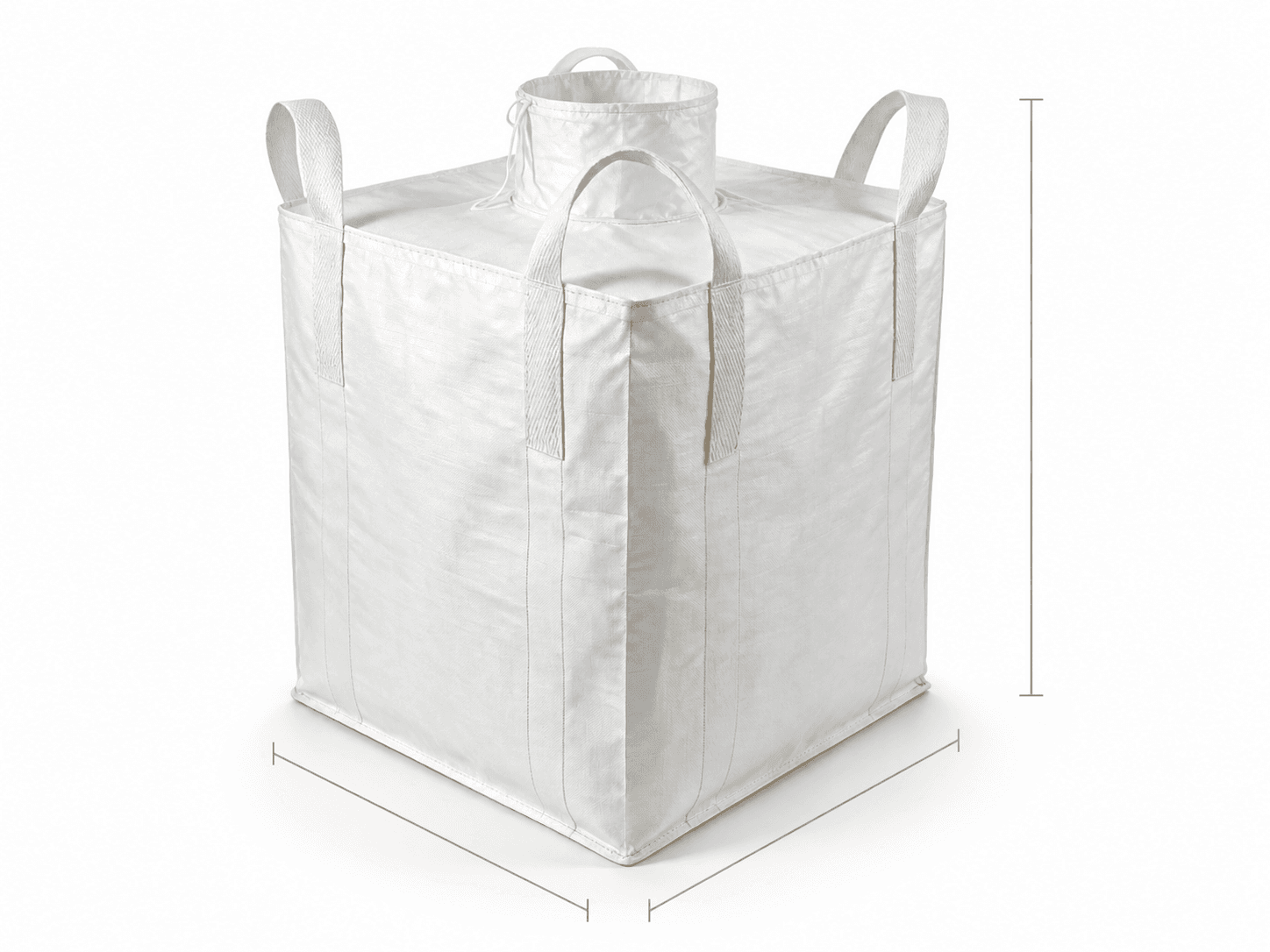
FIBC Bag Size and Volume Guide
How FIBC size is described, why nominal volume differs from the volume you actually get, and how bulk density links bag volume to the weight you can load.
 FIBC Design
FIBC Bottom Types: Flat Bottom vs Discharge Spout
How flat bottom and discharge spout FIBCs differ, and how to choose based on how the bag is emptied, how often it is reused and how the material behaves.
 FIBC Guide
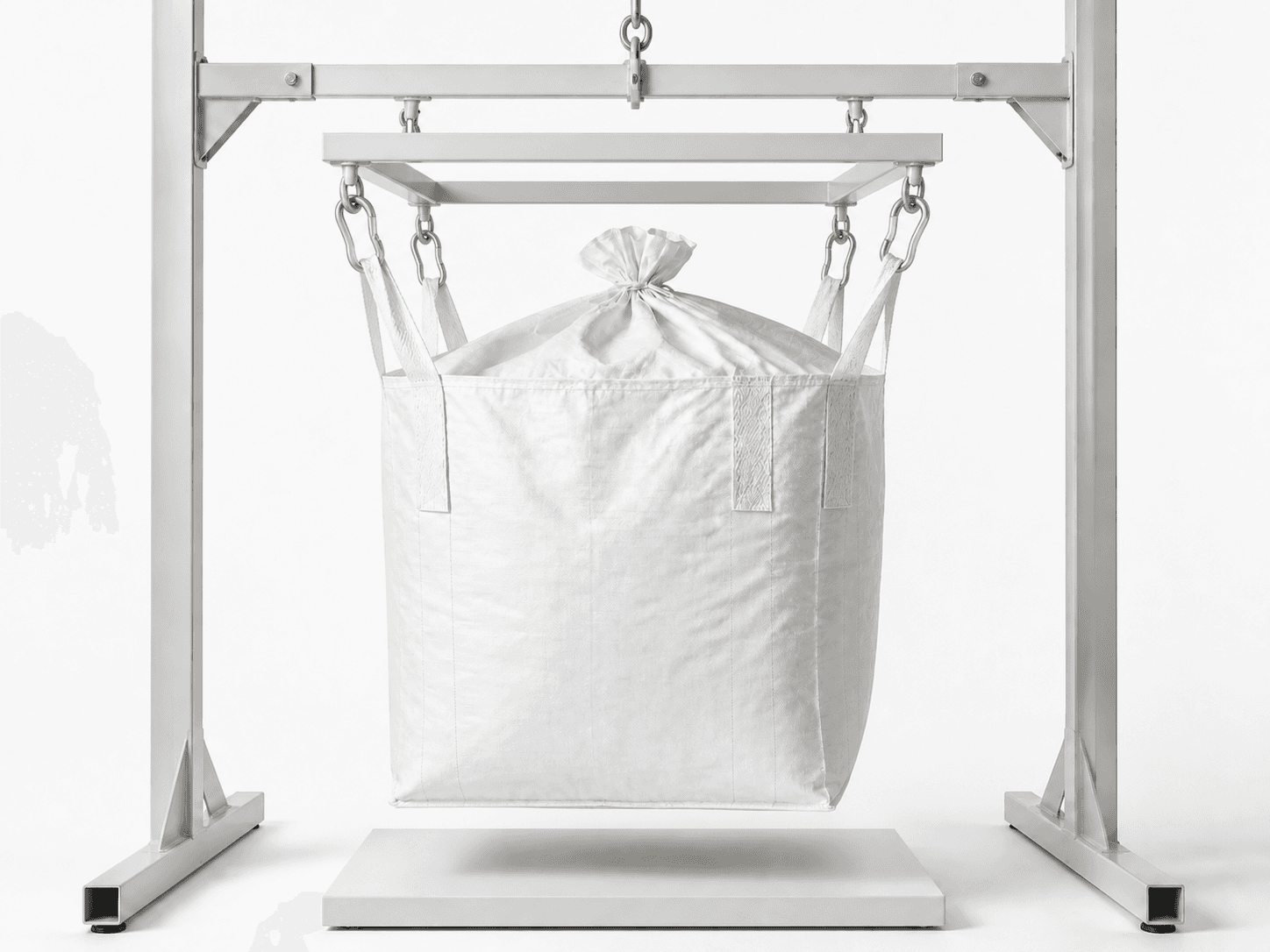
FIBC SWL and Safety Factor Explained
What the safe working load and the safety factor actually mean for a FIBC bulk bag, how a 5:1 ratio is commonly understood, and why the working load can never be chosen by weight alone.