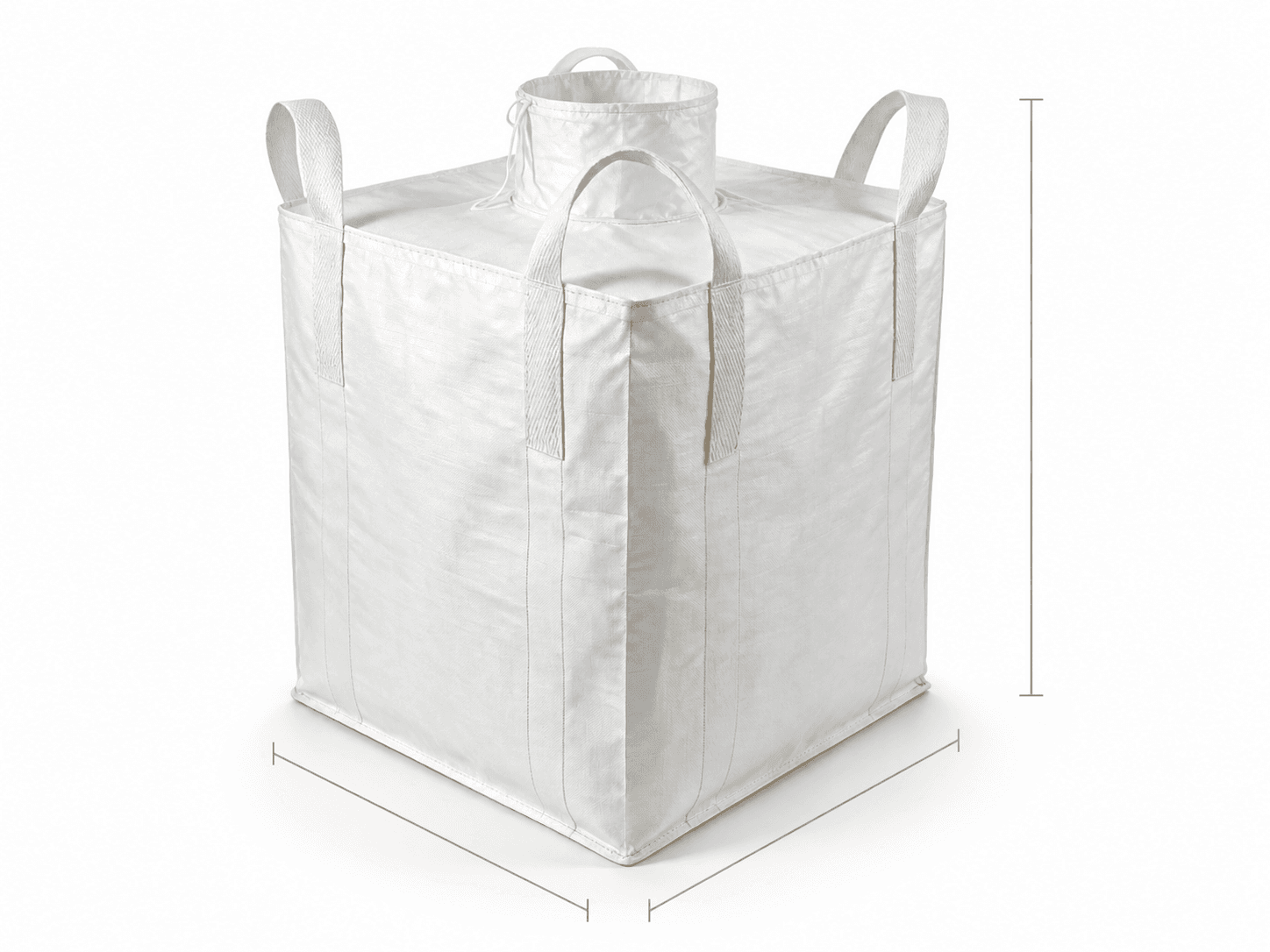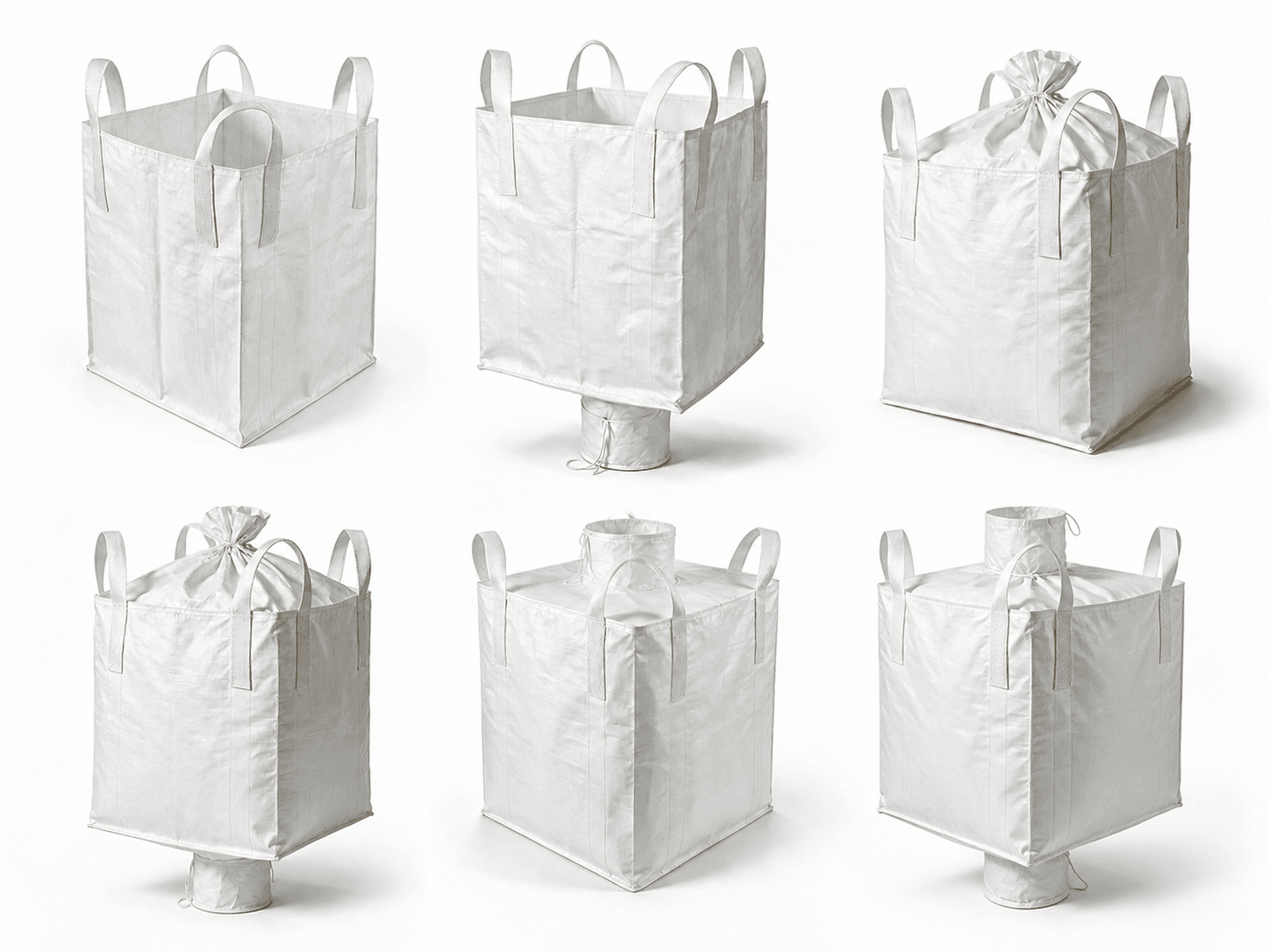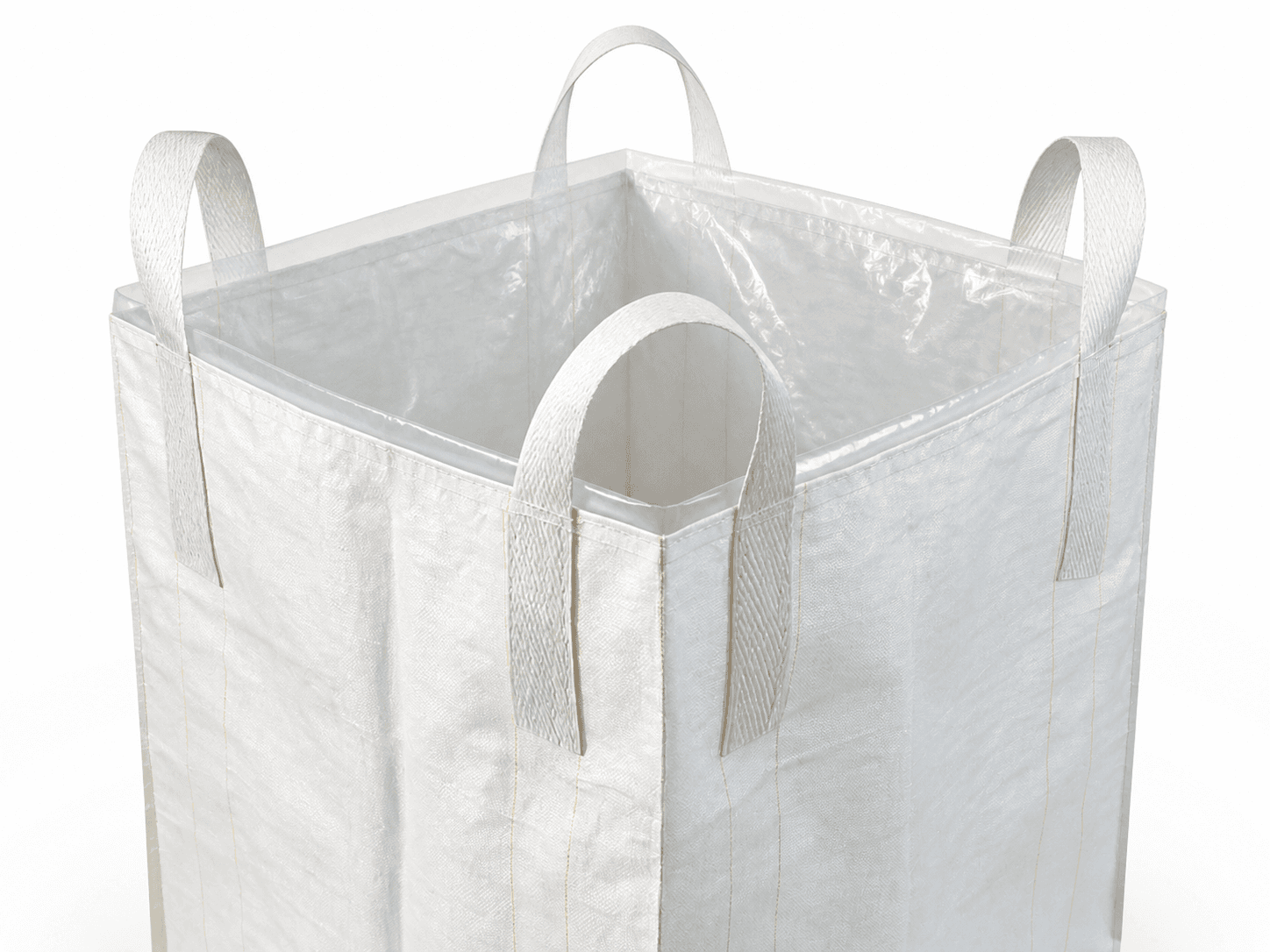
The safe working load (SWL) and the safety factor are two numbers that appear on every FIBC specification. They are related but not the same thing, and both are easy to misunderstand. This guide explains what they mean, how a 5:1 ratio is commonly described in the industry, and why the working load should never be chosen on weight alone.
The aim here is not to hand you a rulebook — it is to help you read a specification with more confidence and ask the right questions.
What does SWL mean?
The safe working load is the maximum gross weight that a filled bag is designed to be lifted with, under normal working conditions. It normally includes the weight of the bag itself plus the weight of the contents.
If a bag has a SWL of 1000 kg, it means the bag is designed to be used with a filled gross weight up to 1000 kg. This is the figure that matters in day-to-day handling, because it is the load the bag is intended to carry, not the load at which it would fail.
The working load does not exist on its own. It is meaningful only together with the rest of the specification: the fabric weight, the size of the bag, how it is sewn, and how it is lifted. A 1000 kg figure on its own tells you very little.
What is a safety factor?
A safety factor expresses the relationship between the strength designed into a bag and the load it is intended to carry. It is a way of building margin into the product so that the bag operates well below its ultimate strength in normal use.
The safety factor is a design concept. It is one of the reasons a filled bag can be handled day after day without approaching the point of failure, and it allows for the normal variations that occur in manufacturing, filling, lifting and environmental conditions.
Different products in different industries use different safety factor conventions. For FIBCs, a ratio of around 5 to 1 is commonly discussed in the industry — this is the "5:1" you will hear from suppliers.
What does a 5:1 safety factor mean?
When a supplier refers to a 5:1 safety factor, they are typically describing a design ratio: the bag is designed so that its ultimate (breaking) strength is about five times the safe working load.
In practical terms, a bag with a SWL of 1000 kg and a 5:1 design ratio is intended to operate at 1000 kg while having strength designed to be roughly five times that figure. The factor of safety gives the bag its working margin.
Two clarifications are worth making. First, the 5:1 figure describes a design convention and how it is applied can vary by manufacturer and product. Second, it is not a certificate or a legal requirement on its own — it is part of an engineering specification. If you need to rely on a specific safety factor, confirm exactly how it is defined and tested for the product you are buying.
Why the safety factor matters in practice
The safety factor exists because real working conditions are not perfectly predictable. A filled bag can be subject to:
- Uneven loads — material settling to one side, or the bag hanging at a slight angle.
- Dynamic forces — the extra stress from lifting, moving and stopping a heavy load.
- Environment — heat, humidity and prolonged exposure to sunlight can affect polypropylene over time.
- Handling — rough drops, dragging, or lifting loops at the wrong angle.
The safety factor is designed to absorb these everyday variations. This is also why it is important not to treat the SWL as a target to be exceeded. The SWL is the top of the intended working range.
Why you should not choose a bag by weight alone
A common mistake is to think that the heavier the bag, the better — or that the working load alone defines the bag. Neither is true.
First, the working load only tells you what the bag is rated to carry. It says nothing about whether the bag fits your product. Two bags with the same 1500 kg SWL can have different sizes, different fabric weights and different constructions, and only one of them will suit your material.
Second, choosing a bag with a higher rating than you need is not automatically safer — the bag still has to match the product's bulk density and volume. An oversized bag filled below its rated load is simply under-used. And an over-specified bag can cost more than it needs to.
The practical approach is the reverse: start from the product and its bulk density, work out the weight and volume you actually need to move, and only then choose the working load that matches — together with a size, fabric and lifting arrangement that are consistent with it. Our guide to choosing a FIBC walks through this process step by step.
How SWL, size and fabric relate
The working load, the bag size and the fabric weight are three lines of one specification, not three separate choices:
- Bulk density of the product determines how much volume a given weight occupies.
- That volume, plus headroom for filling, determines the bag size.
- The working load, the size and the intended service together determine the fabric and construction.
For a heavy, dense product such as copper concentrate, a compact bag carrying a high load is a different product from a large, lightly-filled bag carrying the same nominal load. This is why suppliers ask for the product details rather than just a weight. You can see the difference in practice in our copper concentrate and manganese ore applications.
Questions to ask your supplier
When you discuss a FIBC specification, a few direct questions will resolve most of the ambiguity around SWL and safety factor:
- What working load is the bag designed for, and what does that load include?
- How is the safety factor defined and how does it apply to the fabric, seams and lifting loops?
- What is the recommended filling weight for the specific size and product?
- How does the working load change if the bag is stacked, stored outdoors, or handled roughly?
None of these are trick questions — they are exactly the details that turn a generic bag into a specification that matches your working conditions. When you are ready to move forward, a quote request that includes the product name, bulk density and target weight is the fastest way to start a useful conversation.