A polyethylene (PE) liner is one of the most common options on a FIBC specification — and also one of the most commonly misunderstood. The question is never "should all bags have a liner?" but rather "does this product, in these conditions, benefit from a liner?"
This guide walks through the factors that point toward a liner, and the cases where it may not be necessary. The language here is deliberately conditional: every product is different, and the right answer is confirmed against the actual material and its working conditions, never assumed from the material name alone.
What a PE liner is
A PE liner is an inner layer of polyethylene film fitted inside the bag, between the woven polypropylene fabric and the product. It can be fitted during manufacture or inserted afterwards.
A liner performs three broad jobs:
- A physical barrier between the product and the woven fabric.
- A containment layer that reduces dust and fine-particle sifting.
- A moisture moderator that slows the transfer of moisture in or out.
It is worth being precise about the third point: a liner can reduce moisture transfer, but calling it a seal would overstate it. Its effect depends on the thickness and type of the film, how well the bag is closed, and the exposure it faces. It is one tool in the protection package, not a guarantee.
Moisture-sensitive products
Some products are sensitive to moisture: they absorb it, cake, change consistency, or degrade. For these products, a liner can be genuinely useful because it sits between the product and the woven fabric, which is not itself a barrier to moisture.
A liner may be worth considering when the product:
- Is known to absorb moisture from the air.
- Cakes or hardens when it picks up moisture.
- Is stored for extended periods, giving moisture time to migrate.
- Travels in humid conditions or through variable climates.
The word "may" matters here. A moisture-sensitive product does not automatically require a liner — it depends on the sensitivity, the storage period and the environment. The liner is specified to match the actual exposure, not as a one-size-fits-all rule.
Fine powders and dusty products
Fine powders present a different problem: they can sift through the woven fabric, create dust at every handling step, and be difficult to fully contain.
For these products a liner can help by:
- Reducing the amount of product that works its way through the fabric.
- Containing dust during filling, handling and discharge.
- Making the bag easier to empty completely for free-flowing powders.
A fine powder such as sulphur powder is a classic example of a product where fine-particle containment is an important part of the specification — see our sulphur powder application for the context. But even here, whether a liner is needed depends on the particle size, the flow behaviour and the handling process. Coarser materials in the same product family may not need one at all.
Contamination control
Where a product must not pick up foreign material — fibre, dust, other products — a liner provides a clean surface between the product and the outside world.
This matters for:
- Food-adjacent and sensitive materials, where cleanliness is part of the specification.
- Products mixed or blended after discharge, where any contamination carries through.
- Strict hygiene environments, where the interior of the bag must be clean and inspectable.
A liner also makes the bag easier to clean for re-use, because the film can separate the product from the woven fabric that has been handled and reused.
Storage and transport conditions
The environment the filled bag travels through is part of the decision. The same product in two different situations can warrant two different answers:
- Short, controlled storage — a liner may add little.
- Long storage, outdoor exposure, humid or variable climates — a liner, plus appropriate closing and outer handling, becomes more clearly useful.
Transport also matters: sea freight, open trucks and variable weather expose the bag to conditions a warehouse does not. The liner decision should account for the full journey, not just the filling line.
When a liner may not be necessary
There are honest cases where a liner adds cost without adding value:
- Coarse, free-flowing, non-moisture-sensitive products packed for short, protected transport.
- Single-use bags cut open at discharge, where the product never needs the interior preserved.
- Processes where a liner complicates discharge — for example, where the film could interfere with complete emptying of a cohesive product.
A liner is also not free: it adds material cost, and the liner must be handled correctly during filling and closing to be effective. If the product does not need it, the simpler bag is usually the better value.
The decision should be product-specific
The honest summary is that a liner is justified by a combination of three things: the product's sensitivity to moisture, its particle size and dust behaviour, and the storage and transport conditions it will face. None of the three alone decides the answer, and no product name automatically dictates a liner.
This is why suppliers ask about the material, the expected storage period and the shipping route rather than answering with a one-line rule. For a heavy, dense product such as copper concentrate, the moisture and containment questions are real but the answers depend on the specific grade and handling. Our copper concentrate application shows how the specification is built around the material's actual behaviour.
Confirm the liner details
If a liner is part of the specification, a few details complete the picture:
- What is the liner material and approximate thickness?
- Is the liner fitted to the bag, or inserted separately?
- How is the liner closed — tied with the top, or sealed?
- How does the liner interact with discharge?
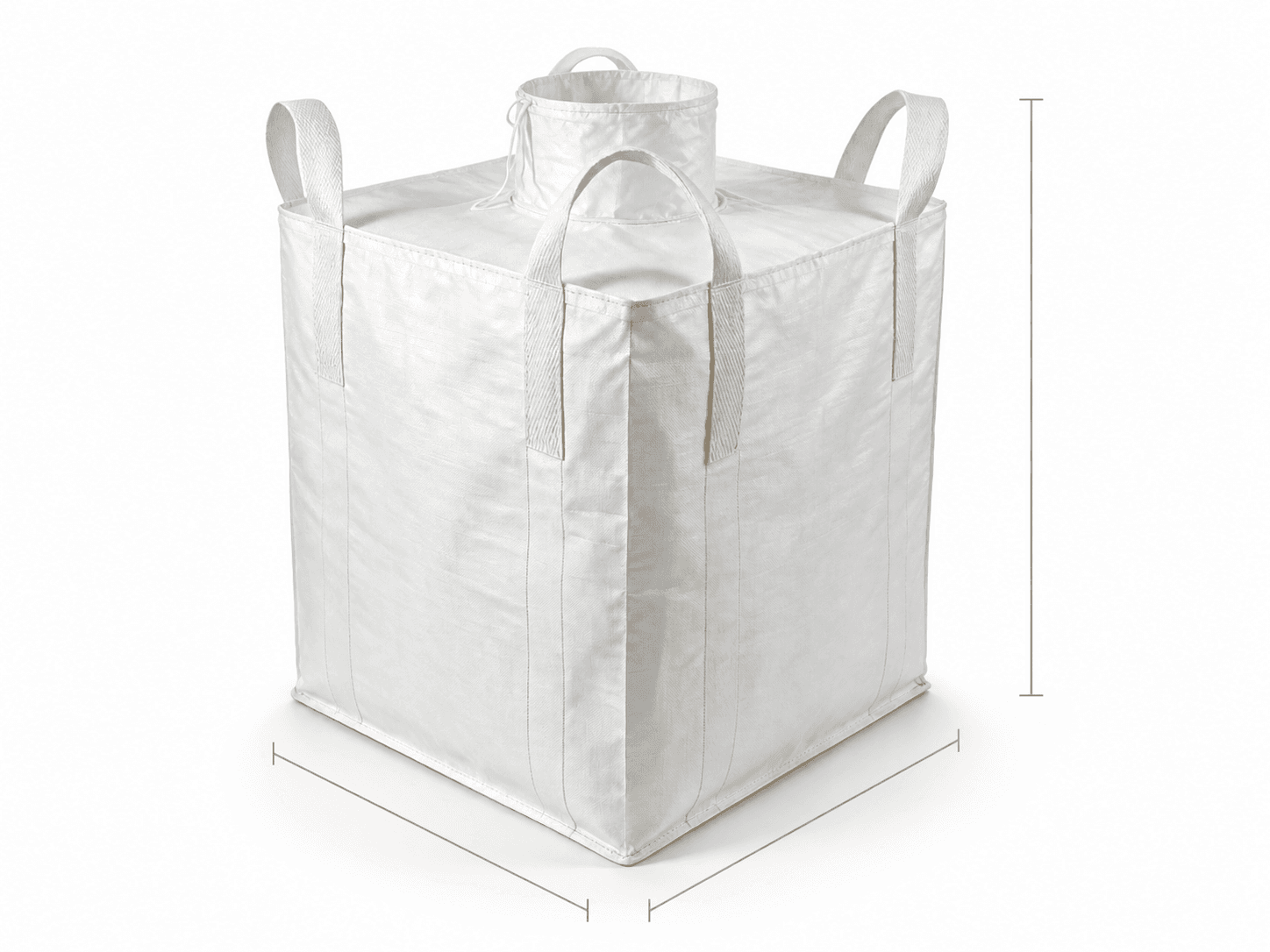
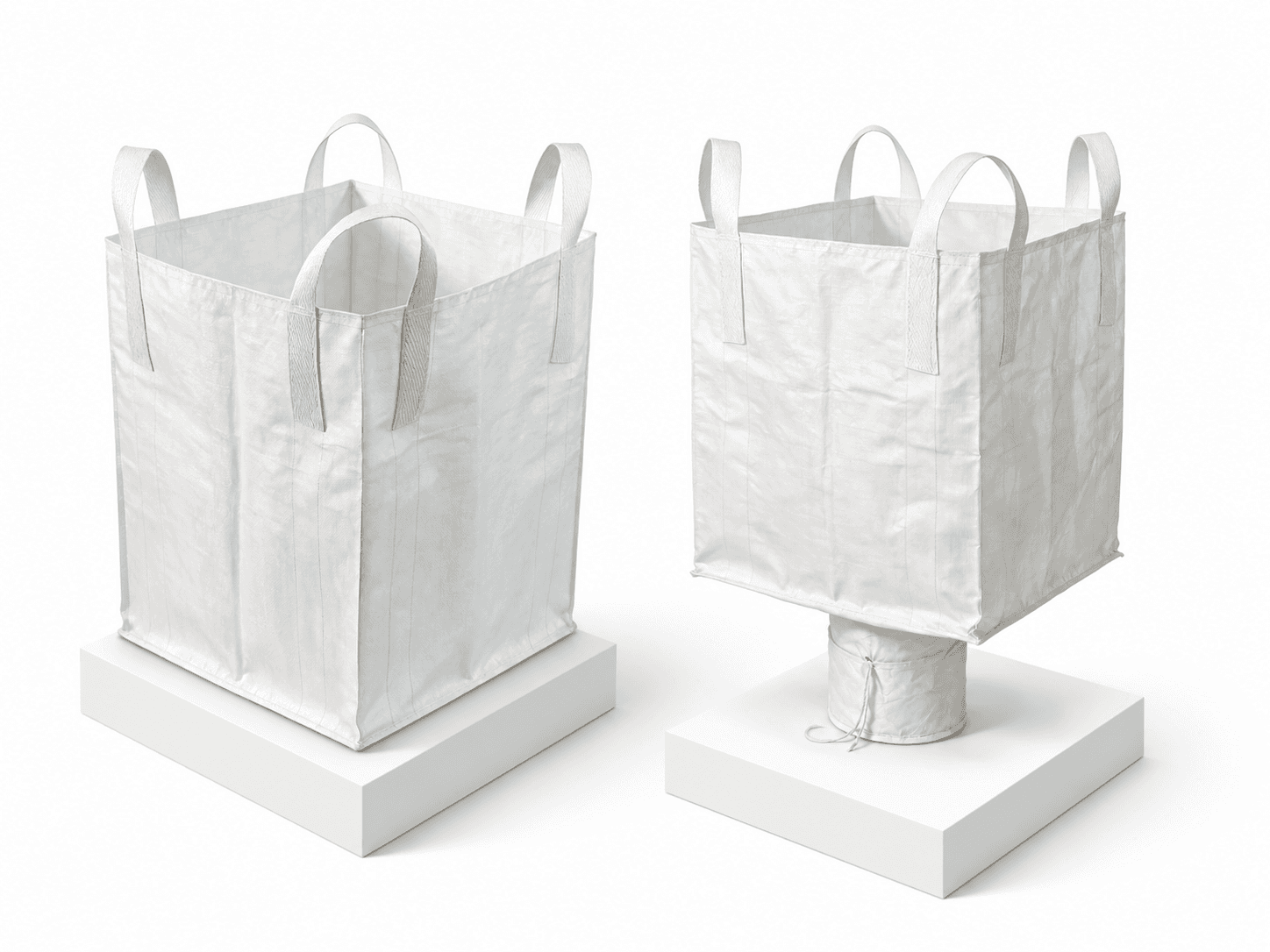
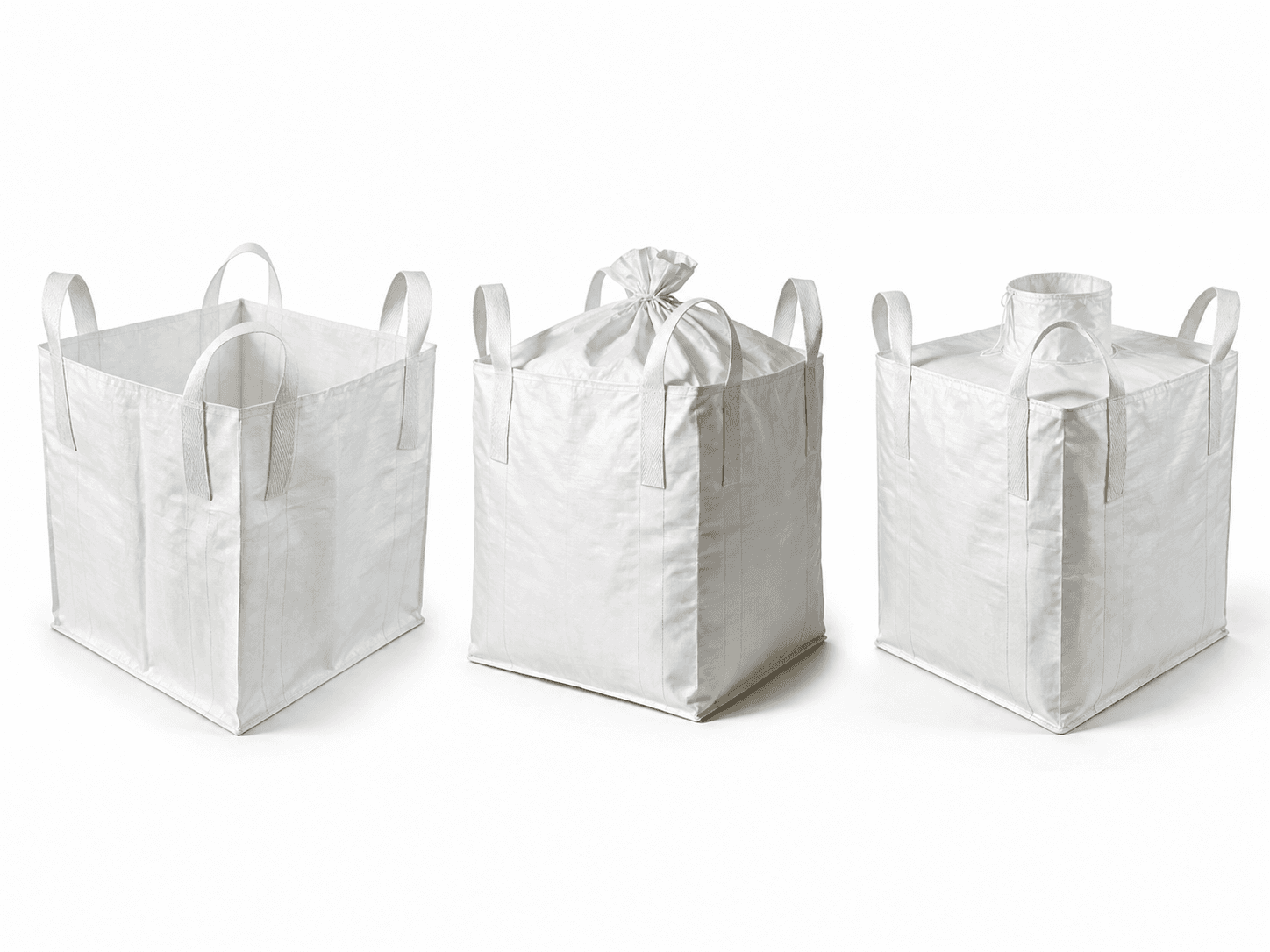
An open-top flat-bottom, open-top discharge-spout or duffle-top flat-bottom FIBC can be specified with a liner to suit the product. When you request a quote, describing the material, its moisture sensitivity and how the bag will be stored and shipped is what allows the right liner decision to be made.